Choosing the right compute for your workload can be complicated. Let's break it down.
As computational demands grow across industries—from AI startups training foundation models to biotech teams running genomics pipelines—hardware selection has become both a technical and strategic decision.
Current Market Hardware Options
NVIDIA H100 SXM
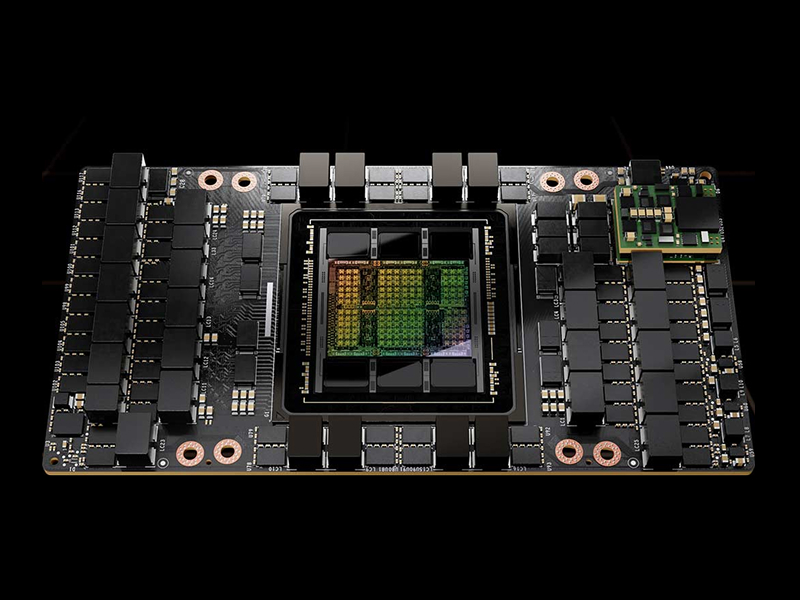
Best for: Foundation model training, dense transformer workloads, AI infrastructure
- Peak FP8/F16 performance with Transformer Engine
- HBM3 memory with up to 3.35 TB/s bandwidth
- NVLink for rapid intra-node GPU communication
AMD EPYC "Genoa" CPUs (96-core)
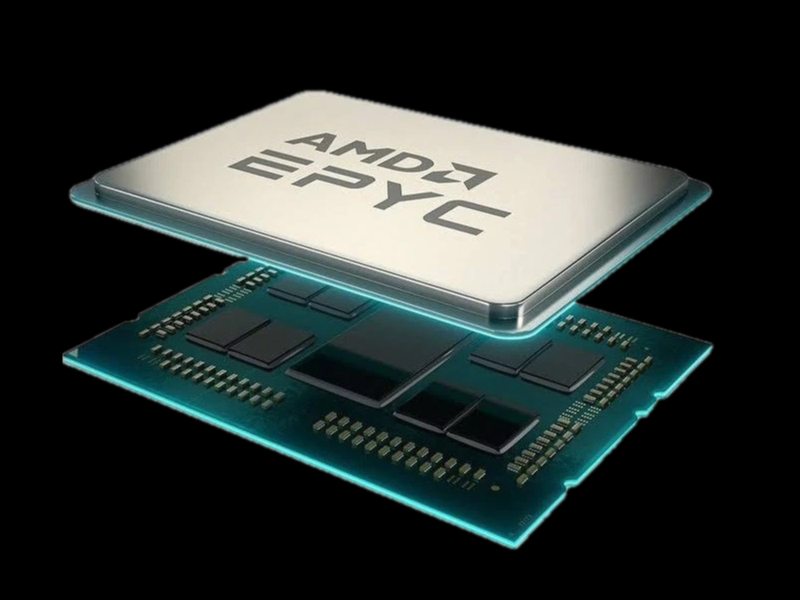
Best for: High-performance CPU workloads including simulations, genomics, rendering, data preparation
- Zen 4 architecture on 5nm
- High memory bandwidth and PCIe Gen5
- Exceptional performance-per-dollar for multithreaded tasks
NVIDIA A100 PCIe GPUs
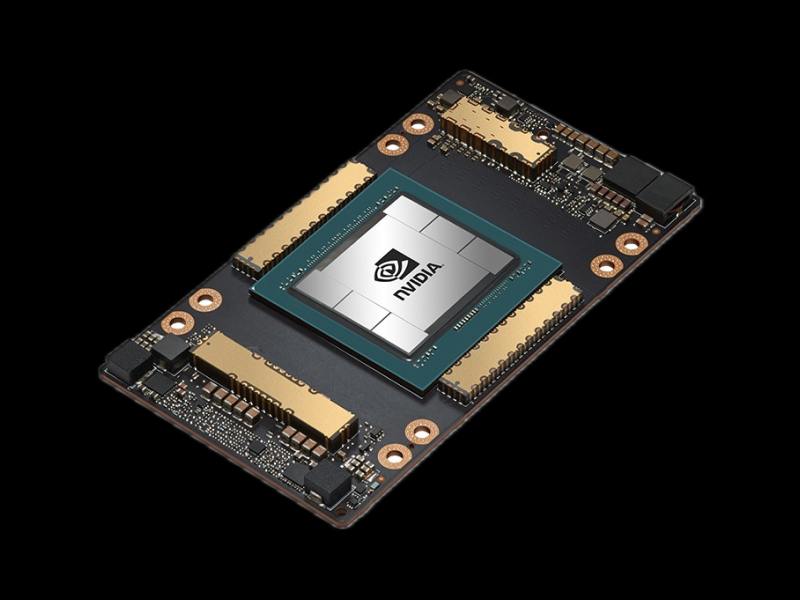
Best for: Inference, mid-size model training, analytics
- PCIe Gen4 interface
- 40–80GB GPU memory options
- Balanced performance and cost-efficiency
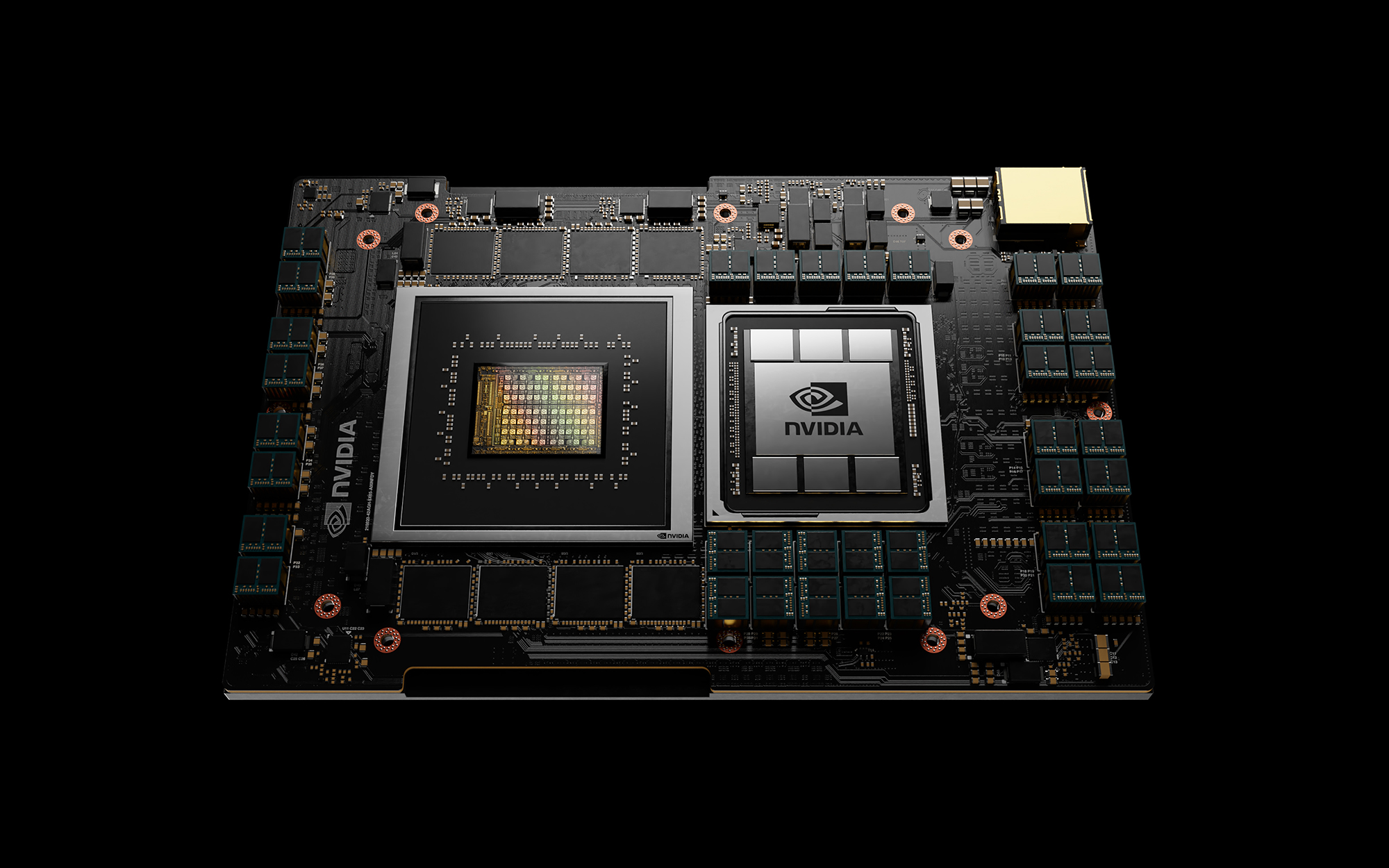
NVIDIA Grace Hopper Superchip (GH200)
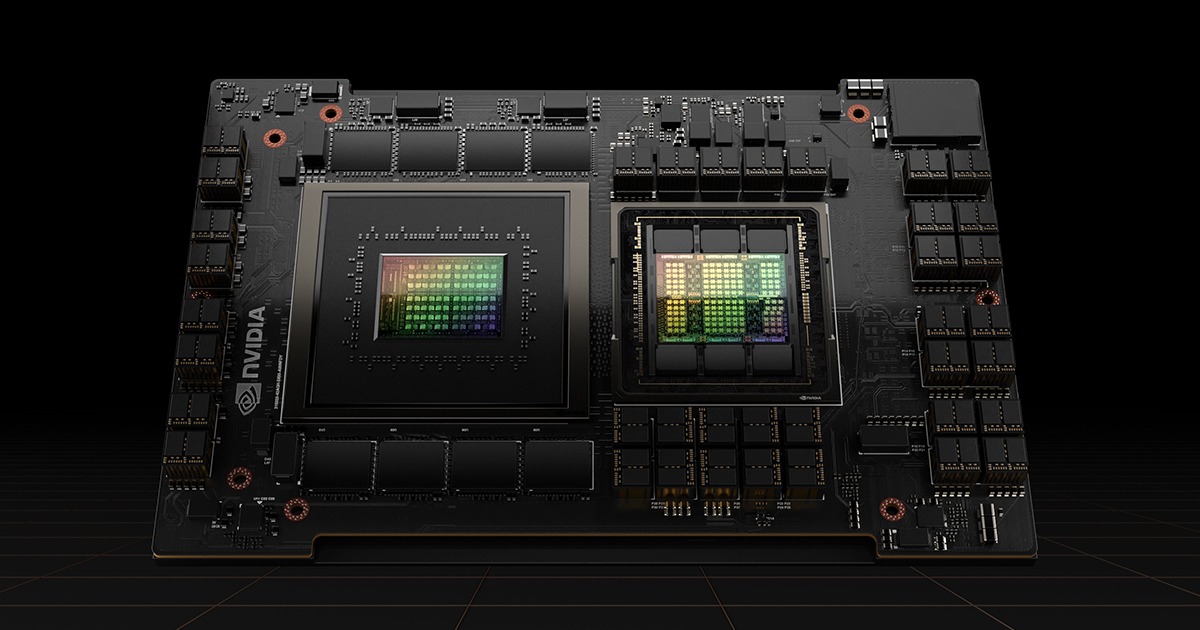
Best for: Large-scale AI/HPC workloads, accelerated compute, hybrid training/inference
- Integrated Grace CPU and Hopper GPU
- High-bandwidth, coherent CPU-GPU memory interface
- Scalable performance
ARM-based CPUs
Best for: Power-efficient, scalable workloads, cloud-native and edge computing
- High performance-per-watt
- Scalable architecture for diverse workloads
- Excellent for containerized applications
Hardware Use-Case Mapping
| Use Case | Recommended Hardware | Why It Works |
|---|---|---|
| Foundation Model Training | NVIDIA H100 SXM | Peak FP8/F16, NVLink, massive memory bandwidth |
| Genomics / Bioinformatics | AMD EPYC Genoa | High-core count, optimal for CPU-heavy workloads |
| LLM Inference | A100 PCIe + PCIe Gen5 NVMe | Efficient inference with rapid I/O |
| Finetuning AI Models | A100 or H100 | Balanced, cost-effective GPU training |
| Engineering Simulations / CFD | Genoa CPUs + 400G Infiniband | CPU power + ultra-high-speed MPI networking |
| Large-scale AI/HPC Hybrid | NVIDIA Grace Hopper GH200 | Integrated CPU-GPU for unified computing |
| Cloud-native / Edge Computing | ARM-based CPUs | Scalable, efficient, suitable for containers/edge |
Real-World Use Case Examples
- Robotics: Using H100 GPUs to train reinforcement learning models within synthetic simulation environments
- Biotech: Leveraging AMD Genoa CPUs to perform genome alignments—achieving 40% faster results compared to traditional cloud solutions
- Fintech: Deploying NVIDIA A100 GPUs to serve transformer-based NLP models for real-time inference, consistently achieving latency below 20 milliseconds
- Automotive: Employing the NVIDIA Grace Hopper Superchip for large-scale autonomous vehicle simulation and AI model training
- Aerospace: Accelerating aerodynamic modeling and CFD using AMD Genoa CPUs and 400G Infiniband networking
At Vantage: Your Stack, Simplified
- Bring your containers
- Pre-configured ML/HPC images
- Launch jobs in minutes, no vendor lock-in
- Access the latest networking, storage, CPUs, and GPUs
Smart hardware choices shape outcomes.
Request a Demo